Okay… Allow me to preface this post by saying that I’m not (yet!) masterful at applying this concept. Far from it, in fact. I am, though, stretching myself into new possibilities as a teacher-coach.
Great coaching matters. That’s what this lab is all about: experimenting with excellence. We’re on this journey together.
In my last post, I wrote on positive praise. What we’re about to dive into here is different. We’re now going to tackle coaching communication styles from the perspective of developing a growth mindset in athletes based on how we praise them.
These are complimentary concepts though. Same highway; just in a different lane. Say with me…
Precision: Good Enough Is The Enemy Of Great
All good coaches, as I’ve come to learn, have a ridiculous attention to detail. In fact, they sweat the small stuff. That’s their habit.
Yet, what separates good (enough) from great, is in the art of coaching. It’s the subtleties in how they communicate that allows them to get the most out of their teams.
Anchored by this notion, I was pumped when I stumbled across these videos that can help each of us become more effective communicators with our athletes.
Acknowledgement vs. Praise
Precise Praise
Doug Lemov’s Teach Like A Champion (TLAC) does a *fantastic* job of taking a deeper dive on the differences between praise and acknowledgement. (This book, by the way, is a MUST-HAVE for all basketball coaches! It’s become a ‘coaching bible’ of sorts for me.)
Let me do my best to paraphrase…
ACKNOWLEDGEMENT = DESCRIPTION
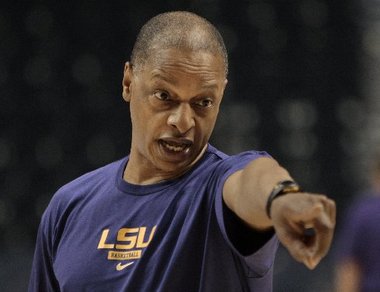
Acknowledgement comes when an athlete meets expectations. They deserve to have it noticed. In these instances, a brief description of what the athlete did or a simple “Thank You” is enough:
—”Chad, you held your follow through just like we worked on all week.”
— “Rowan, you tracked your shots taken and your shots made everyday this summer as asked.”
— “Bria, you set up the locker room just the way we discussed. Thank you.”
PRAISE = DESCRIPTION + JUDGMENT
When an athlete does something exceptional, it warrants praise. Praising is different because it carries a judgment. It’s more than a straightforward description. Praise involves information combined with judgment or value:
— “Kai, great job staying fully invested in the team today although you were injured. I could hear you giving specific reminders and encouragement to your teammates the whole practice.”
— “TJ, what makes you stand out is not only do you give me great eye contact, but you nod when I’m done speaking. That lets me know you understand the instructions and builds my trust in you. You make me want to coach you better.”
— “Rena, you showed consistent hustle all week being the first in when I blew the whistle.”
As stated in the video, use acknowledgement for compliance [expectations being met] and praise for value judgments.
“Championship teachers make a careful and intentional distinction between praise and acknowledgement, acknowledging when expectations have been met and praising when exceptional has been achieved.”
—Teach Like A Champion
Remember: You can get away with praising athletes early in a season as you’re redefining your team’s culture. BUT… in the long run, praising for doing what is expected is, according to TLAC, “not just ineffective but destructive.”
[I’d agree. I’m very intentional about weaning the athletes I work with off of an addiction to acknowledgements. My reasoning is twofold: (1) I want them to (re-)learn how to self-assess, and (2), I don’t want to develop a coach-dependent athlete. Last, when I do provide feedback or praise, I want them to know it’s meaningful and genuine. I think that builds trust—for the athletes in themselves and in me.]
/sef.
[ RELATED: How to avoid sabotaging the success of your athletes with positive praise ]
